
In-home care · Omaha metro
Care for specific conditions
A condition changes what good care looks like. Parkinson’s needs time built into every transfer; a stroke needs the affected side worked with rather than around; the last months of a life need people who are calm and unhurried and have done it before.
What a caregiver actually does
Not a category — the specific things that happen while somebody is in the house.
- Parkinson’s — timing, freezing, tremor and the medication schedule that runs the day
- Stroke recovery — transfers, one-sided weakness, speech and swallowing care
- Diabetes — diet, foot checks, and spotting a hypo early
- Post-surgical and post-hospital care in the first weeks home
- COPD, heart failure and the daily weights and symptoms that flag a decline
- End-of-life care at home, alongside hospice, so nobody is alone
Is it time?
What is usually happening when families call about this
If two or three of these sound like your house, it is worth a phone call. It costs nothing to ask.
A discharge home from hospital with nothing arranged
A new diagnosis and no idea what changes day to day
A condition that is progressing faster than the care around it
A decision that the last months should be at home rather than in a ward
How care for specific conditions gets paid for
Three different situations, three different answers. One of these is yours.
Please read this bit
We are a non-medical home care company
That means our caregivers help with daily life — washing, dressing, meals, mobility, housekeeping, company and getting to appointments. It is skilled, trained, background-checked help, and for most families it is exactly what is needed.
If any of that is what you need, say so and we will tell you straight — often the answer is a home health agency or hospice for the clinical side, with us doing the daily hours around it. We work alongside both, and we would rather point you to the right place than take a booking we cannot do properly.
What we do not do
- No nursing care, injections or IVs
- We remind and prompt about medication; we never administer it
- No wound care, catheters or clinical procedures
- No physical, occupational or speech therapy
- No diagnosing, and nothing that needs a nurse or a doctor
Questions families ask
- Do you work alongside hospice?
- Yes, regularly. Hospice handles the clinical side and visits; we are the hours in between — the washing, the turning, the sitting up at night — so the family can be family instead of staff.
- He is coming out of hospital on Friday. Is that too soon?
- No, and a discharge is one of the calls we most want to get early. The first fortnight home is when readmissions happen. Ring us before the discharge rather than after it if you can.
Families who needed this usually needed one of these too
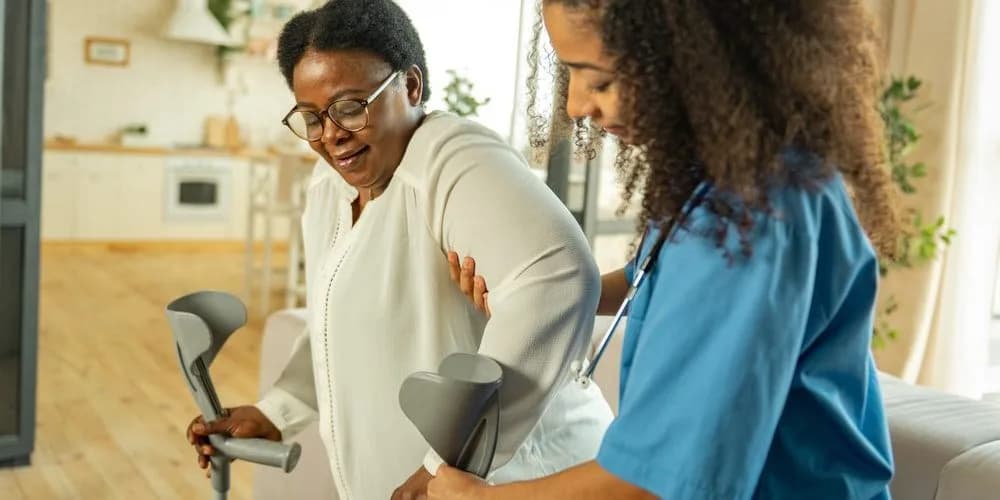
Personal care assistance
Bathing, dressing, toileting and grooming, done in a way that keeps their dignity intact.
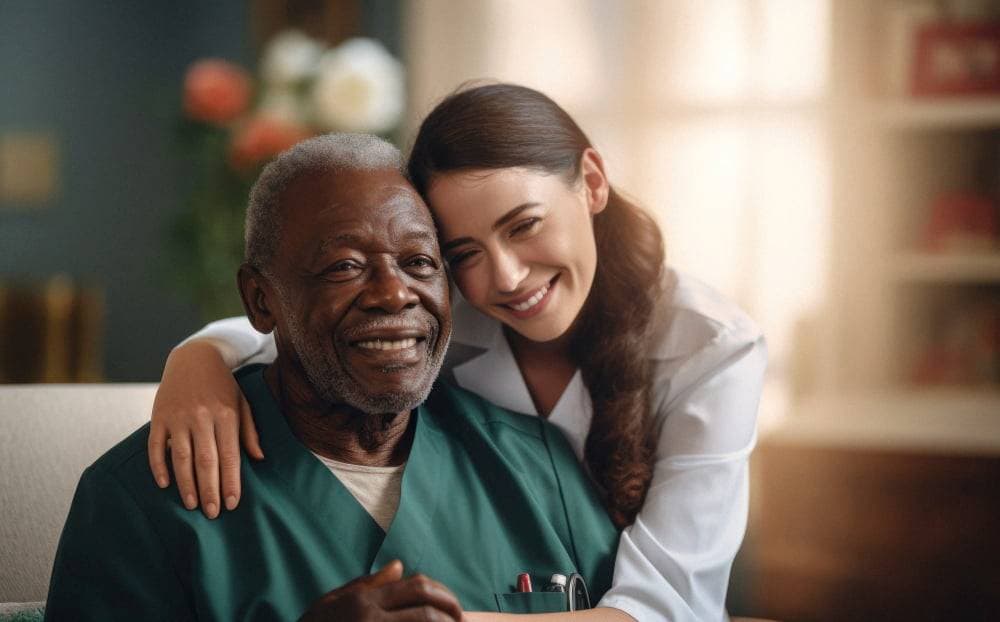
Dementia & Alzheimer’s care
Caregivers who understand repetition, sundowning and refusal, and do not take any of it personally.
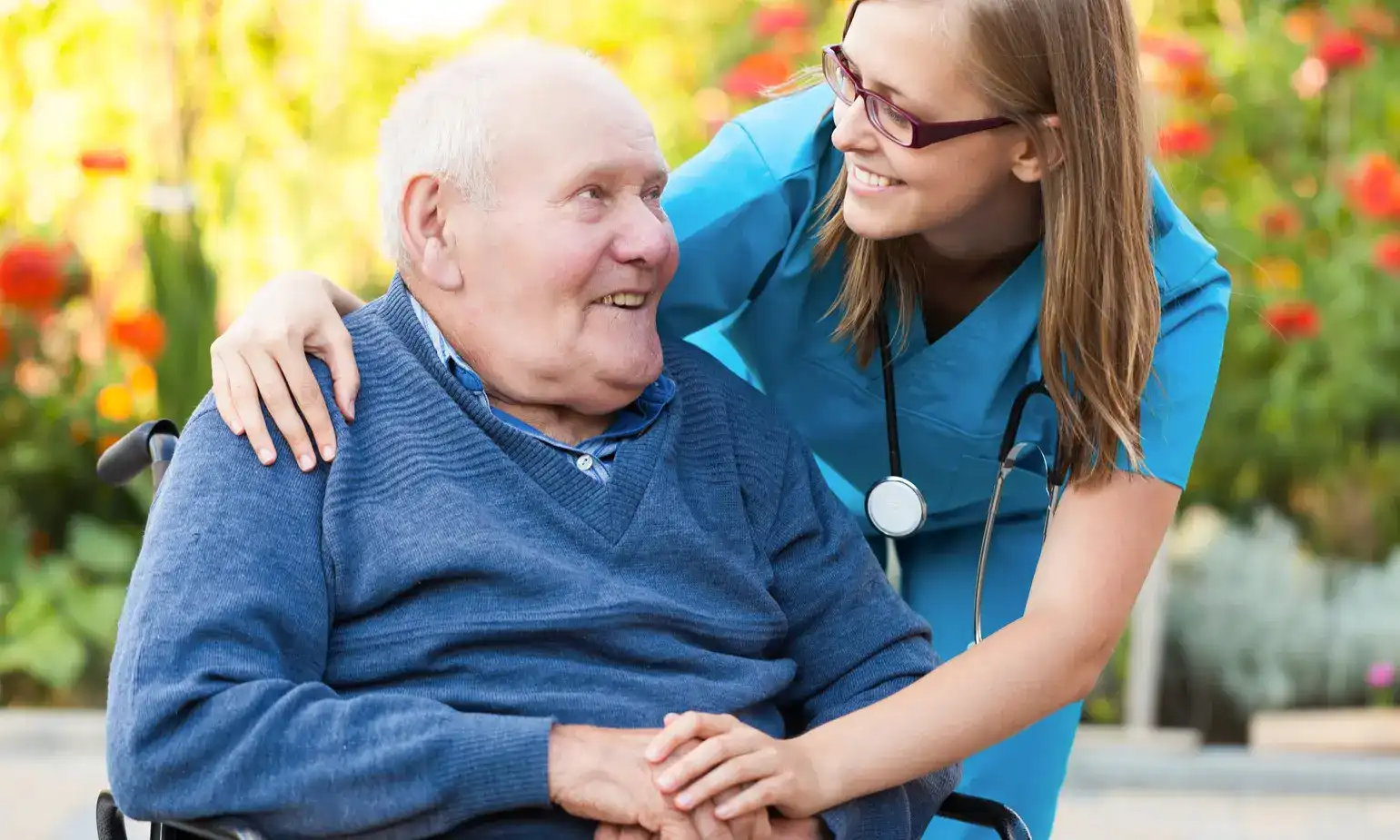
Companionship
Conversation, games, reading, a walk. Loneliness does measurable harm and this is the treatment for it.
Care for specific conditions in
Not sure whether care for specific conditions is what you need?
Tell us what is going on and we will tell you honestly — including when the answer is somebody other than us.